Key Components of Real Estate Development
- LoneStar Kaufman
- Sep 29, 2025
- 4 min read
Real estate development is a complex and multifaceted process that requires a deep understanding of various components and phases to ensure success. From initial concept to final construction, each step demands careful planning, strategic decision-making, and effective execution. In this article, I will walk you through the essential elements that define real estate development and outline the critical phases every project undergoes. This knowledge is invaluable for professionals, investors, bankers, brokers, businesses, and residents who seek to engage with or understand the dynamics of property development.

Understanding the Core Components of Real Estate Development
At its foundation, real estate development involves transforming land or existing properties into valuable assets. This transformation is not merely about construction but encompasses a broad spectrum of activities that include:
Land Acquisition: Identifying and purchasing suitable land or properties is the first step. This requires market research, due diligence, and negotiation skills to secure a site that aligns with the project’s goals.
Market Analysis: Understanding the demand, competition, and economic factors in the target area is crucial. This analysis guides decisions on property type, scale, and design.
Financing: Securing capital through loans, investors, or partnerships is essential. A well-structured financial plan ensures the project remains viable throughout its lifecycle.
Design and Planning: Collaborating with architects, engineers, and planners to create blueprints that meet regulatory standards and market needs.
Permitting and Approvals: Navigating zoning laws, environmental regulations, and obtaining necessary permits can be time-consuming but is mandatory.
Construction Management: Overseeing the building process to ensure quality, budget adherence, and timely completion.
Marketing and Leasing: Developing strategies to attract tenants or buyers, maximizing occupancy and returns.
Property Management: Maintaining the asset post-completion to preserve value and ensure operational efficiency.
Each component requires expertise and coordination to mitigate risks and capitalize on opportunities.
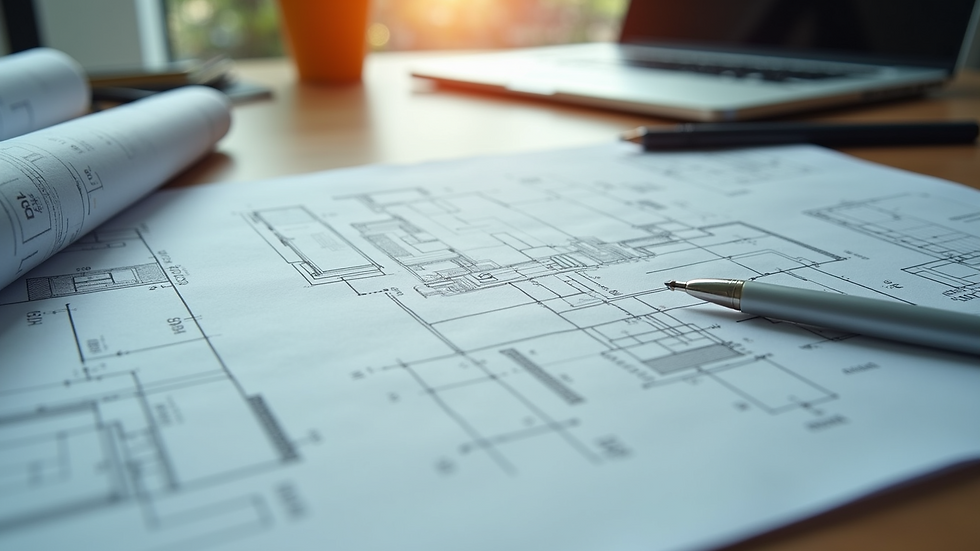
Real Estate Project Phases: From Concept to Completion
Real estate projects typically progress through distinct phases, each with specific objectives and deliverables. Understanding these phases helps in managing expectations and resources effectively.
1. Pre-Development Phase
This initial phase involves feasibility studies, site selection, and preliminary design. Key activities include:
Conducting market research to identify demand trends.
Performing environmental and site assessments.
Estimating costs and potential returns.
Engaging stakeholders and securing initial financing.
The goal is to establish a solid foundation for the project and minimize uncertainties.
2. Entitlement and Approvals Phase
During this phase, developers work to obtain all necessary permits and approvals from local authorities. This includes:
Zoning changes or variances.
Environmental impact assessments.
Community consultations and public hearings.
Successful navigation of this phase ensures legal compliance and community support.
3. Design and Construction Phase
Once approvals are secured, detailed design work begins, followed by construction. This phase demands:
Coordination between architects, engineers, and contractors.
Regular site inspections and quality control.
Managing budgets and timelines to avoid overruns.
Effective project management here is critical to delivering a functional and attractive property.
4. Marketing and Leasing Phase
As construction nears completion, marketing efforts ramp up to attract tenants or buyers. Strategies may include:
Advertising campaigns.
Hosting open houses or tours.
Negotiating lease or sale agreements.
Maximizing occupancy quickly enhances cash flow and project profitability.
5. Operations and Management Phase
After occupancy, ongoing management ensures the property remains desirable and profitable. This involves:
Maintenance and repairs.
Tenant relations and lease administration.
Financial reporting and asset management.
Long-term success depends on proactive and professional property management.

Is Real Estate Development a Lucrative Career?
Real estate development offers significant financial rewards but also comes with considerable risks. The potential for high returns attracts many professionals, yet success requires a blend of skills, experience, and resilience.
Financial Potential
Developers can generate profits through:
Property appreciation.
Rental income.
Value-added improvements.
Projects that are well-conceived and executed in growing markets often yield substantial returns.
Challenges and Risks
However, challenges include:
Market volatility and economic downturns.
Regulatory hurdles and delays.
Cost overruns and construction issues.
Mitigating these risks demands thorough planning, strong networks, and adaptive strategies.
Career Pathways
Professionals in this field may specialize in areas such as:
Land acquisition.
Project management.
Finance and investment.
Urban planning.
Continuous learning and industry engagement are essential to thrive.
Strategic Recommendations for Successful Development
Drawing from experience, I recommend the following best practices to enhance project outcomes:
Conduct Comprehensive Due Diligence
Investigate all aspects of the site and market before committing resources.
Build a Skilled Team
Collaborate with experts in architecture, engineering, law, and finance.
Maintain Transparent Communication
Keep stakeholders informed to foster trust and cooperation.
Implement Robust Financial Controls
Monitor budgets closely and prepare for contingencies.
Prioritize Sustainability
Incorporate green building practices to meet regulatory trends and market demand.
Leverage Technology
Use project management software and data analytics to improve efficiency.
By adhering to these principles, developers can position their projects for long-term success.
The Future of Real Estate Development in Texas and the Sun Belt
The real estate landscape in Texas and the broader Sun Belt region is evolving rapidly. Population growth, economic diversification, and infrastructure investments are driving demand for innovative and sustainable developments.
LoneStar Kaufman Development is at the forefront of this transformation, leading projects that not only deliver financial returns but also enrich communities. Their approach integrates cutting-edge design, environmental stewardship, and community engagement to create vibrant, resilient spaces.
For those involved in or considering entry into this dynamic market, understanding the key components and phases of real estate development is indispensable. It equips you to navigate complexities, seize opportunities, and contribute meaningfully to the region’s growth.
Explore more about how real estate development is shaping the future of Texas and the Sun Belt by visiting LoneStar Kaufman Development’s website.
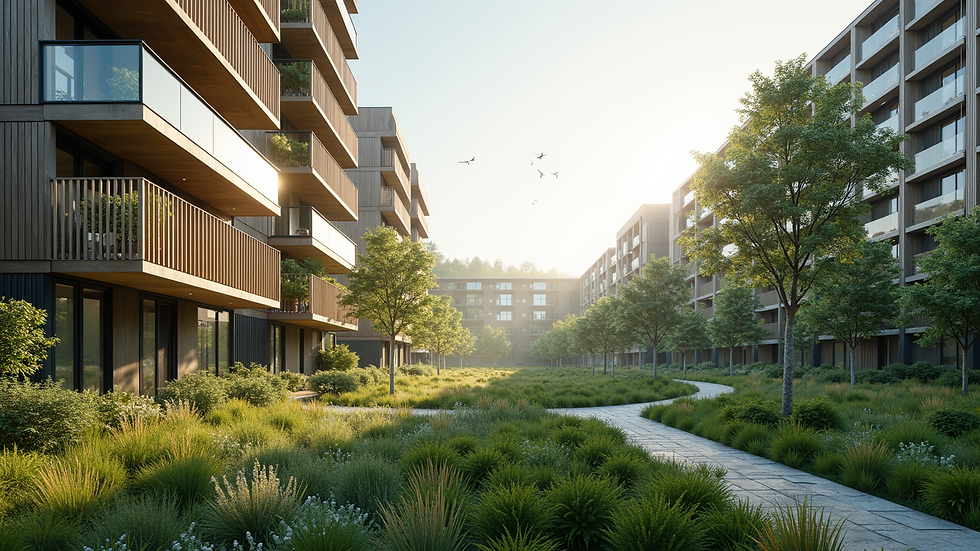
By mastering the key components and phases of real estate projects, you can confidently engage with this vibrant sector. Whether investing, managing, or developing, a clear grasp of these fundamentals will empower you to make informed decisions and achieve lasting success.


Comments